Summary:
Multi-family property damage claims demand rapid action, thorough documentation, and disciplined communication with residents and insurers. Florida landlords who treat each incident as a structured process, instead of a one-off emergency each time, better protect cash flow, preserve coverage, and maintain control over their properties.
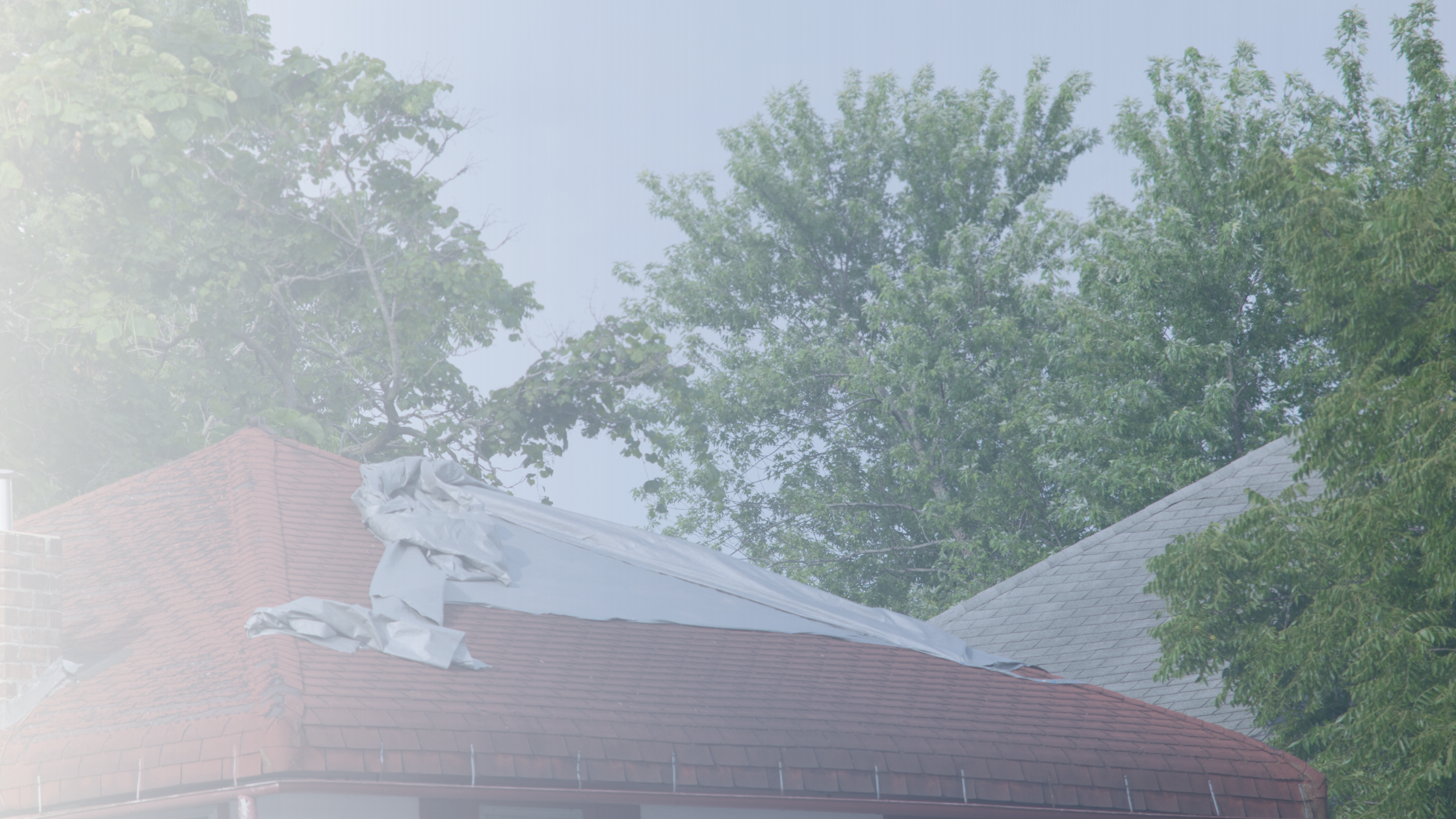
A burst pipe on the third floor. A kitchen fire in the middle of a Saturday turnover. A summer storm that turns balconies into water channels. In Florida multi-family housing, property damage does more than stain drywall. It disrupts operations, strains resident relationships, and threatens the value of the asset you’ve worked hard to build.
When a claim hits, the owners who protect their investments best treat the event like a critical business process, not a one-off emergency. Clear steps, clean records, and disciplined communication preserve both cash flow and control.
Start with Safety and Basic Stabilization
When damage appears, many owners first look to immediate safety concerns. That may include shutting off utilities in the affected area, securing entry points, or bringing in mitigation vendors so conditions do not worsen. Vendors often have their own protocols, and coordinating with professionals early can help align the response with your insurance requirements.
Rather than rely on memory, many property teams take quick photos or short videos before major cleanup. Even simple, timestamped images from a phone can later help clarify the scope of the event.
Treat Each Incident as a Standalone File
Multi-family owners often treat each damage event as its own file, separate from routine maintenance. That file might include a brief incident description, unit numbers, dates, inspections, and a list of everyone involved, from residents to vendors to adjusters.
Organized records tend to support insurance discussions and internal decision-making. Many owners prefer digital storage with clear file names and folders by property, date, and incident type, so information is easy to retrieve if a dispute appears months later.
Communicate with Residents and Carriers Thoughtfully
Clear, measured communication helps set expectations. Many owners provide residents with basic information about access, estimated repair windows, and who to contact with questions. It can also help to remind residents that renters’ insurance often addresses personal belongings, while the owner’s focus relates to the building.
Insurance carriers typically expect prompt notice, but policies differ. Rather than rely on habit, owners often review policy language or seek guidance before deciding how and when to report. Consistency across a portfolio can reduce confusion for on-site staff.
Involve Legal Counsel at Key Decision Points
Assigning responsibility, charging a resident, or applying a security deposit after damage can carry risk. Leases, house rules, and Florida law interact in ways that are highly fact-specific. Many owners prefer to consult counsel before taking action that could trigger a dispute with a resident or insurer.
That legal input can help align your procedures with your long-term investment goals, instead of reacting to each event in isolation.
Protect Your Florida Multi-Family Investment
Property damage claims can affect rent rolls, resident relationships, and future insurability. Thoughtful planning, consistent documentation, and timely legal input give Florida owners a more controlled response when the unexpected happens. Atlas Law assists landlords and property owners across Florida with claim-related questions, lease risk planning, and dispute resolution. To discuss your portfolio, contact Atlas Law at 813.241.8269.
FAQ: Property Damage Claims in Multi-Family Housing
- Do I need a formal written procedure for property damage events?
Many owners find a written procedure helpful. Even a short checklist for staff, covering basic safety steps, documentation, and who to notify, can bring consistency across properties and shifts.
- How much should I document after an incident?
Owners often aim for enough detail that someone who was not on site could later follow what happened: photos, dates, units, vendor names, and a brief summary. When in doubt, additional photos and concise notes tend to be easier to manage than trying to recreate events later.
- When should I involve an attorney?
Owners commonly reach out to counsel when damage affects multiple units, involves potential safety allegations, or raises questions about resident responsibility, lease language, or insurance coverage positions. Early input can shape strategy before positions harden.