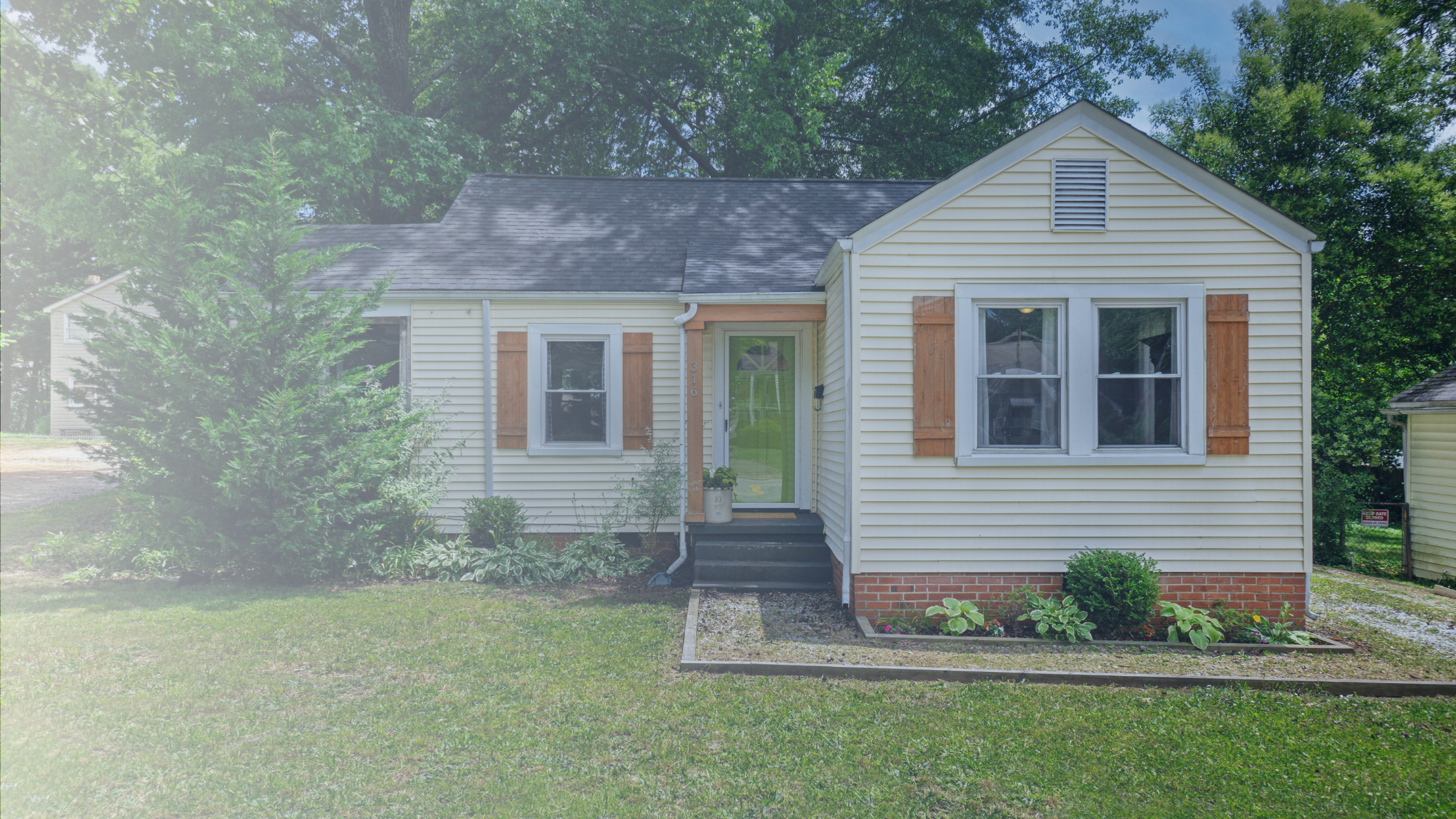
Essential Steps for Legal Compliance When Renovating or Rehabilitating Rental Properties


Summary:

Renovating rental properties in Florida changes your risk profile at every stage: permitting, contracts, and tenant relations. Landlords can protect their investment by using attorney-reviewed checklists, owner-friendly contractor agreements, and renovation-ready lease language. Early legal input reduces code issues, payment disputes, and tenant claims, and helps turn each rehab into a value-add move instead of a liability event.


Renovation days can feel like progress in motion: crews on-site, old fixtures hauled out, fresh plans on the table. For Florida landlords, that same energy can quietly create risk. A missed permit, a bad clause in a contractor agreement, or one mishandled tenant issue can turn an upgrade into a lawsuit. Renovation work changes the look of an investment, but it also changes your exposure. Treat every rehab as a business move that needs legal safeguards.

Legal Compliance Starts Before Demo Day

Long before anyone swings a hammer, map out what the project touches: structural elements, electrical systems, plumbing, life-safety devices, and access to the unit. For each category, confirm which permits and inspections apply in your Florida jurisdiction. Build a written checklist tied to each phase of the project and assign responsibility: you, your property manager, or your contractor.

This is where a landlord-focused attorney adds real value. Ask counsel to vet your project scope against state and local requirements, the property’s zoning, and existing code issues. Set a process for permit applications, inspection scheduling, and documentation retention, so every approval ends up in one secure file.

Contracts, Contractors, and Risk Allocation

Every rehab lives or dies on the contracts. Use written agreements that define scope of work, payment schedule, change-order rules, deadlines, insurance requirements, and remedies for delay or defects. Require proof of licensure and coverage for workers’ compensation and liability before work begins, then calendar renewal dates.

Have an attorney draft or revise your contractor templates, so the documents favor the owner, not the vendor. Ask for clear indemnity language, dispute-resolution procedures, and warranty terms that match the scale of your investment. With strong contracts, you control risk rather than react to it.

Tenants, Access, and Habitability

Renovation inside occupied units triggers notice, access, and habitability questions. Set written policies for entry, work hours, temporary relocations, and rent adjustments during disruptive phases. Match those policies to your leases, Florida law, and local ordinances.

A landlord-side attorney can review your lease forms and recommend renovation clauses: access provisions, temporary relocation terms, and rules for dealing with uncooperative tenants. This planning protects your rights while reducing claims of harassment, retaliation, or improper entry.

Protect Your Florida Rental Portfolio Before You Build

If you’re planning a rehab or large-scale upgrade, bring a legal partner in at the blueprint stage. Atlas Law works with Florida landlords to structure projects that protect capital, control risk, and support long-term portfolio growth. To align your next renovation with strong legal safeguards, contact Atlas Law by calling 813.241.8269.


Renovating Rental Properties in Florida FAQ

When should a Florida landlord involve a lawyer in a renovation?

Engage counsel during planning, before you sign with contractors or file permits. Early review of project scope, contracts, and lease terms allows you to structure the work in line with code requirements and risk management goals.

Do small upgrades need legal input too?

Cosmetic projects may need less attention, but once work touches systems like electrical, plumbing, or structural components, legal review makes sense. Use counsel to create contract and notice templates you can rely on for projects of any size.

How can a lawyer help with tenants during renovation?

An attorney can draft lease clauses and policies that address access, timing of work, temporary relocations, rent adjustments, and communication standards. Clear rules, aligned with Florida law, reduce disputes and protect your position if a tenant resists cooperation.

How Property Inspections Can Prevent Legal Disputes


Summary:

Property inspections serve as a legal safeguard for real estate investments in Florida. When conducted with consistency, documentation, and clear standards, inspections reduce exposure to disputes involving tenants, buyers, insurers, and regulators. Effective inspection practices focus on timing, written records, photographic evidence, and alignment with Florida property and landlord tenant laws. Investors who treat inspections as part of their risk management process place themselves in a stronger position if a disagreement arises.


Real estate disputes rarely begin with dramatic events. They usually start with silence, vague recollections, or missing records. Property inspections create clarity where memory fails. In Florida, where rental properties face heavy wear from humidity, storms, and high tenant turnover, a clear inspection record can separate routine maintenance from alleged neglect.

Inspections establish a baseline condition of the property at defined points in time. Move-in, move-out, annual, and post-repair inspections provide reference points that courts, insurers, and opposing counsel rely on. Written reports paired with dated photographs and videos reduce arguments about causation. Damage that appears after occupancy becomes easier to attribute. Claims tied to pre-existing conditions lose traction when supported by documentation created before a dispute ever surfaced.

Reducing Tenant and Vendor Conflicts Before They Escalate

Many landlord tenant disputes stem from disagreement over responsibility. Tenants may claim unsafe conditions. Vendors may dispute scope or quality of repairs. Inspections address these issues early when correction remains cost-effective.

Best practice involves standardized inspection checklists that cover structure, electrical, plumbing, HVAC, roofing, appliances, and safety items such as smoke detectors and handrails. Consistency matters. Using the same checklist across properties limits claims of selective enforcement or unequal treatment. Scheduling inspections with written notice and keeping communication professional also reduces friction. Clear expectations, recorded in writing, prevent disputes from forming narratives built on emotion rather than facts.

Supporting Compliance With Florida Law and Insurance Requirements

Florida landlords face statutory duties related to habitability, safety, and timely repairs. Inspections help meet those duties by identifying issues before they result in code violations or injury claims. Local ordinances and insurance policies often require proof of regular inspections, especially for older buildings or multi-unit properties.

Documented inspections support defenses against claims involving mold, water intrusion, or unsafe conditions. They also strengthen insurance positions by showing proactive maintenance rather than reactive fixes. Carriers look closely at inspection frequency and repair follow-through when evaluating coverage and claims. Investors who inspect regularly and document repairs place themselves in a stronger negotiating position if coverage disputes arise.

Preserving Property Value During Transactions

During sales, inspections frequently become flashpoints for renegotiation or litigation. Sellers benefit from prior inspection records that show a history of maintenance and repairs. Buyers gain confidence when presented with organized documentation rather than verbal assurances.

Pre-listing inspections reduce last-minute disputes by identifying issues that can be addressed on the seller’s timeline. Repair decisions supported by inspection reports appear deliberate rather than rushed. This level of preparation shortens negotiation cycles and limits post-closing claims tied to alleged misrepresentation or concealment.

Protect the Investment Before Conflict Has a Chance

Legal disputes drain time, capital, and focus from property ownership. Inspections provide a practical way to reduce that risk while reinforcing the long-term value of the asset. For Florida landlords and investors, disciplined inspection practices function as both shield and leverage.

Atlas Law works with property owners who want to protect their investments through clear documentation, compliant practices, and strategic legal planning. For guidance on inspection-related risk management and dispute prevention, contact Atlas Law at 813.241.8269.

How to Safeguard Your Property Investment During a Market Downturn

Summary:

Property investors can reduce their exposure during a market downturn by tightening operational practices, reinforcing lease enforcement, and strengthening financial safeguards. Careful attention to property conditions and tenant stability fortifies long term value. Proactive measures help investors maintain stronger cash flow when market pressure rises.


Market shifts can create uncertainty for property owners, especially when demand cools and tenants face financial strain. Smart investors respond by sharpening their processes and reinforcing the systems that protect their assets. A downturn can reveal weaknesses that stay hidden in stronger markets, and the owners who act early are positioned to weather pressure with fewer disruptions and more clarity.

Strengthen Lease Enforcement and Tenant Stability

Clear, enforceable lease terms create a firm baseline during unpredictable periods. Property owners benefit from reviewing every active lease to confirm that rent deadlines, late fee structures, property access provisions, and maintenance responsibilities are clearly articulated. Consistent enforcement reduces disputes, prevents ambiguity, and supports smoother operations when external conditions may cause tension. Investors also benefit from checking that all required disclosures under Florida law appear in each agreement and that renewal procedures comply with statutory requirements.

Tenant stability stands at the center of any successful response plan. Investors can evaluate payment patterns, communicate expectations early, and document every interaction. When rent issues appear, prompt written notices aligned with Florida statutes help maintain control of the timeline. Screening for new tenants should remain firm with documented income verification, rental history checks, and confirmation of employment stability. These measures promote predictable occupancy and consistent revenue.

Preserve Asset Quality and Maintain Operational Control

Property condition often determines how well an investment holds its value during a downturn. Owners can set a detailed inspection schedule, with written checklists for interiors, exteriors, HVAC systems, plumbing fixtures, and electrical components. This creates consistency and reduces repair expenses by catching small issues before they turn into costly disruptions. Strong vendor relationships also support faster response times and more reliable workmanship.

Operational control plays a decisive role in tighter markets. Investors benefit from evaluating their reserve funds, insurance coverage, and repair budgeting. Creating a clearly defined threshold for when to approve repairs, defer upgrades, or reassess vendor pricing helps prevent financial drift. Insurance policies should be reviewed for coverage limits, exclusions, and deductibles that match current property values. Florida’s weather patterns require particular attention to wind, flood, and water intrusion coverage, so a policy review can close gaps before hurricane season brings additional risk.

Reinforce Compliance and Risk Management

Legal compliance becomes more visible during economic downturns, when disputes escalate more easily. Owners should confirm that all notices follow Florida statutory requirements, including delivery methods and timeframes related to nonpayment, property access, and termination. Meticulous recordkeeping supports smoother outcomes in any future dispute or eviction filing.

Risk management also benefits from documenting every inspection, repair, tenant communication, and lease enforcement decision. A consistent written record protects the investor’s position if a disagreement arises. It also helps maintain operational clarity when multiple properties or managers are involved.

Protect Your Investment With Professional Support

If you want support tailored to your property portfolio during a challenging market cycle, Atlas Law can guide you through effective landlord strategies in Florida. Call 813.241.8269 to reinforce your protections and keep your investment strong.

Complying with ADA Requirements in Multi-Family Housing: What’s at Stake

Summary:

ADA compliance in multi-family housing protects landlords from lawsuits, costly remediation, and reputational damage. Public areas such as leasing offices, gyms, and pools must meet accessibility standards, and landlords should document audits, maintenance, and staff training to stay compliant. Proactive attention to these details preserves property value and safeguards long-term investments.


When a multi-family property falls short of ADA standards, the consequences reach beyond legal exposure. Accessibility issues can quickly escalate into formal complaints, investigations, or costly litigation that can drain resources and damage reputations. For landlords and property managers, the key to avoiding these outcomes lies in proactive compliance. That means knowing what features are required, documenting efforts, and making practical adjustments before issues arise. The Americans with Disabilities Act (ADA) isn’t just about compliance; it’s about creating properties that function well for everyone while protecting the investment behind them.

The Scope of ADA Compliance

Not all multi-family housing falls under the same rules. The ADA primarily governs “public areas” of housing developments, which include leasing offices, clubhouses, gyms, pools, and other shared spaces that serve tenants or guests. Within individual units, accessibility standards are instead guided by the Fair Housing Act (FHA) and local building codes. Still, the overlap between these regulations means landlords must pay close attention during design, renovation, and operation.

For example, if a property includes a leasing office that’s open to the public, it must have accessible parking, clear routes to the entrance, and doorways that meet width and threshold standards. Similarly, fitness centers and pools must include features such as lifts or sloped entries. Even a small deviation, like a countertop height or ramp slope that’s off by a fraction of an inch, can trigger noncompliance claims. To stay ahead, property owners should routinely review architectural drawings, permits, and completed construction for ADA alignment, especially before obtaining occupancy certificates or listing available units.

Key Compliance Priorities for Landlords

Accessibility should be built into every stage of a project, from design to daily management. Here are several parameters to help landlords maintain compliance:

  • Audit Existing Properties: Conduct regular audits by qualified accessibility consultants. They can identify barriers that may not be obvious to untrained eyes, such as improper door hardware or inadequate turning space in restrooms.
  • Maintain Accessibility Features: A ramp or lift that isn’t maintained is the same as one that doesn’t exist. Routine inspections, service logs, and responsive maintenance schedules are crucial.
  • Train Leasing and Maintenance Staff: Employees should know how to respond to accessibility-related requests and recognize potential violations. Consistent training reduces missteps that often lead to complaints.
  • Plan for Renovations: Any alteration to a public area triggers an obligation to bring that area up to current ADA standards. Even cosmetic upgrades like flooring replacements or countertop changes can require compliance reviews.

Taking these steps not only minimizes liability but also improves tenant satisfaction and retention, which ultimately protects the property’s long-term value.

Financial and Legal Consequences of Noncompliance

ADA violations can lead to more than just fines. The Department of Justice (DOJ) or private plaintiffs can pursue enforcement actions that result in monetary settlements, injunctive relief, and ongoing monitoring. Legal costs often exceed the price of bringing a property into compliance in the first place. 

Florida property owners should also be aware of the state’s active ADA enforcement environment. Plaintiffs’ firms frequently file serial lawsuits over accessibility issues, targeting properties that have overlooked small but measurable noncompliance. A single complaint can lead to significant reputational harm and costly remediation timelines. Building and maintaining a compliance record, including inspection reports and evidence of good-faith efforts, serves as a strong defense if a claim arises.

Protect Your Investment

ADA compliance is a cornerstone of responsible property management that shields landlords from unnecessary losses and preserves asset value. Whether you’re developing, acquiring, or managing a multi-family property in Florida, the right legal guidance can ensure your property meets accessibility standards while minimizing disruption to operations.

For professional guidance on ADA compliance in multi-family housing, contact Atlas Law at 813.241.8269.

The Risks and Benefits of Property Joint Ventures

Summary:

Joint ventures offer property owners a path to scale through shared capital and combined expertise, but they also bring a high risk of disputes, liability exposure, and exit challenges without a solid agreement. Whether you’re acquiring commercial property, managing multi-family units, or facing litigation tied to ownership or code compliance, the structure of your partnership is just as important as the property itself.


Tampa’s real estate market continues to attract attention and capital. But not every investor can (or should) go it alone. Property joint ventures are a common way to enter bigger deals, scale faster, or add value through complementary skill sets. When done right, they multiply opportunity. When mishandled, they unravel fast.

Before entering a joint venture, investors should weigh what they’re gaining against what they’re giving up. That calculation depends entirely on structure, partner selection, and legal preparation.

Benefits That Make Joint Ventures Appealing

  • More Capital, Bigger Deals – In a high-demand market, capital is often the gatekeeper. Instead of passing on a valuable acquisition due to a shortfall in funds, investors can co-invest. That may also mean better financing terms, access to premium locations, or entry into projects that would otherwise remain out of reach. For commercial investors and multi-family owners, it’s a way to expand portfolio size without stretching resources thin.
  • Strategic Skill Pairings – Not every investor brings the same strengths to the table. One partner might know Tampa’s rental market down to the ZIP code. Another might bring construction crews, property management teams, or leasing networks. These pairings work best when each side brings distinct, definable value. That value needs to be written into the agreement. Vague promises or handshake deals don’t cut it.
  • Shared Risk, Shared Responsibility – Joint ventures split the exposure. This makes it easier to justify higher-value or longer-horizon investments. But it also means shared responsibility for mistakes. Indemnification clauses and detailed operating agreements are non-negotiable. In real estate litigation, these documents often decide who pays and who walks.
  • Flexible Structuring – Joint ventures aren’t bound to one form. The agreement can assign ownership percentages, outline management rights, and determine how profits are distributed. In commercial property deals, especially those involving complex leases or code compliance issues, this flexibility matters.

Risks That Can Derail the Deal

  • Clashing Goals and Styles – No two investors are alike, and that’s not always a good thing. One partner might want to hold long-term; the other may want to flip and exit fast. If priorities don’t align, tension follows. Decision paralysis is a real risk, especially on leasing strategy, capital improvements, or sale timing. These differences should be addressed before the first real estate purchase.
  • Lopsided Contributions, Misaligned Expectations – If one party writes the bigger check or spends more hours managing the property, there’s an expectation of greater return or authority. A well-drafted joint venture agreement specifies what each side puts in and what they get out. This is especially important in multi-family partnerships where volume and day-to-day management may differ drastically.
  • Compromised Control – Some investors are used to calling every shot. Joint ventures don’t work that way. Shared ownership means shared control. Whether it’s choosing a tenant, approving a contractor, or deciding when to sell, authority must be defined. Deadlocks need built-in solutions. Without that, the venture stalls and often ends up in court.
  • Liability Tied to the Wrong Mistakes – It’s a myth that shared ownership always means shared liability. One partner’s error, whether it’s breaching a lease or failing to carry insurance, can drag the other into litigation or debt. Liability protection must be written into the agreement, and the entity structure should reflect that. With issues like Fair Housing Act claims, code violations, or foreclosure risk on the line, vague or incomplete agreements are a liability by themselves.

Protect Your Investment Property with Atlas Law

Joint ventures can accelerate your real estate portfolio or drain it. The difference lies in the setup. If you’re entering a property deal with a partner, treat the agreement like the asset itself. It should hold value, provide protection, and be built to last.

Whether you’re managing a multi-family portfolio, acquiring commercial property, or facing real estate litigation, Atlas Law is positioned to protect your investment. Call 813.241.8269 to schedule a consultation and ensure your venture is structured for long-term success.

When Land Use Becomes Versatile, Your Investment Must Be Bulletproof

Summary:

Mixed-use developments in Florida offer strong returns but come with legal and regulatory demands that require precision. From zoning alignment and Live Local Act incentives to infrastructure planning and shared-space control, every element must be locked in early. Developers who structure projects with clarity and compliance in mind protect long-term value.

Florida’s skyline is evolving and blending. Retail downstairs, apartments above. Workspaces beside cafés. This is mixed‑use development, and it promises strong returns. But in Florida, success depends on more than good design. It hinges on land‑use alignment, incentive strategies, shared‑space control, environmental safeguards, and contracting clarity. Miss any of these, and what looks like diversification can quickly become a legal tangle.

Zoning, Land Use, and Plan Consistency

Mixed‑use projects must conform to the local comprehensive plan and zoning ordinances. If a project doesn’t fit current zoning or the future‑land‑use map, developers must pursue amendments. This could trigger public hearings and scrutiny of environmental, service, and community impacts.

Municipalities using form‑based codes often focus on how a building interacts with streets and neighbors. These standards govern placement, pedestrian access, and visual coherence more than traditional use‑based rules.

Before design begins, evaluate setbacks, frontage, and massing. Confirm alignment not just with zoning, but with the future‑land‑use designation. Avoid assuming flexibility without formal amendments,

Affordable Housing Incentives & State Preemption

Florida’s Live Local Act clears a streamlined path for qualifying projects. If at least 40 % of residential units are affordable (up to 120 % of AMI) for 30 years, and residential uses make up 65 % of the building’s square footage, the project qualifies for administrative approval. Local restrictions on height, density, FAR, and zoning procedures are overridden.

The Act also mandates that local governments allow at least 150 % of the highest floor‑area‑ratio permitted in their jurisdiction, eliminating local caps. What matters isn’t the zoning label—it’s whether residential and commercial uses are allowed together.

To qualify, verify your unit mix and square footage early. The incentives are powerful, but only if you meet every threshold.

Control of Shared Spaces in Condo Developments

Under HB 1021 (2024), developers in mixed‑use condos retain greater control over lobbies, elevators, and pools that serve both residential and commercial users. Associations lose authority over these spaces, and developers or commercial operators manage costs and access.

Draft declarations that clearly divide control and cost responsibilities from the start. This structure avoids future disputes and keeps operational authority with those who have long‑term interests at stake.

Environmental Permits & Building Code Compliance

Projects near wetlands or protected areas require permits from the Florida Department of Environmental Protection. Noncompliance can lead to fines up to $500 per day.

At the same time, full compliance with Florida Building Code is required. Fire safety, accessibility, and energy efficiency aren’t negotiable, and they shape every aspect of construction from design through inspection.

Hire qualified consultants early. Don’t rely on your architect alone to flag environmental triggers or code issues.

Infrastructure and Use of CDDs

Concurrency rules require developers to ensure adequate capacity for water, sewer, roads, and schools. If existing infrastructure can’t support your project, you’ll need to finance upgrades or stage the build to match available capacity.

For larger projects, Community Development Districts (CDDs) offer a tool to fund and manage infrastructure. CDDs issue bonds, levy assessments, and maintain public improvements, but they carry regulatory and disclosure requirements developers must account for.

Model your infrastructure demand early. If a CDD makes sense, build in time and legal support to structure it properly.

Contracting, Governance, and Lease Precision

Shared-use environments demand clear legal frameworks. Mixed‑use contracts should define control of common areas, cost-sharing mechanics, and dispute resolution. When residential components are condominiums, association rules must spell out authority over rules, assessments, and shared operations.

Residential and commercial leases often overlap in systems and services. Define responsibility for maintenance, access, and noise limits upfront. These are recurring friction points if left vague.

Protect Your Investment with Atlas Law

Atlas Law, your Tampa‑area counsel, helps landlords cement their investments within Florida’s dynamic mixed‑use environment. We draft governing documents, guide you through state-level incentives, and structure deals to protect value long-term. Call 813‑241‑8269 to get started.

How Landlords Can Protect Themselves Against Discrimination Lawsuits

Fair housing law is a legal framework that governs every decision landlords and property managers make about who they rent to, how they screen applicants, and how they handle complaints. The consequences of getting it wrong? Costly litigation, fines, and damage to your investment. Fortunately, landlords can take concrete steps to protect themselves without sacrificing operational efficiency.

Education Is a Compliance Tool

Every member of your team, whether it’s in-house staff or a third-party property manager, should be trained on the Fair Housing Act (FHA) and any relevant state or local anti-discrimination laws. Federal protections include race, color, national origin, religion, sex, familial status, and disability. But many jurisdictions expand this to include sexual orientation, gender identity, and other protected classes.

Training isn’t optional. A landlord is responsible not only for their own actions but for those of their agents. That includes staff making casual comments during showings, rejecting applications, or drafting ads. If someone representing your property makes a discriminatory remark or decision, you’re on the hook.

Consistency in Screening Protects You

Tenant screening should not feel like improvisation. It needs to be consistent, standardized, and documented. Apply the same criteria to every applicant, like credit score, employment history, rental history, and criminal background checks. Use the same process, in the same order, every time.

Create a written policy that outlines your criteria. Stick to it. Keep records. If a lawsuit emerges, documentation showing identical treatment across applicants can make or break your defense.

Your Advertising Language Matters

Discrimination can start before a prospective tenant ever calls. Phrases like “perfect for professionals” or “ideal for singles” are often flagged in fair housing audits. They suggest preferences that might dissuade or exclude certain groups.

Advertisements should describe the property—not the tenant you imagine living there. Focus on location, features, amenities, and price. Let the tenant decide whether the space fits their needs.

Anti-Discrimination Policies Belong in Writing

Verbal commitments won’t help you in court. An anti-discrimination policy should be part of every lease, rental application packet, and employee handbook. Make it clear that you do not tolerate discrimination on any basis covered by law.

Post this policy in leasing offices and on your website if applicable. Not only does this set expectations—it also shows a proactive commitment to legal compliance if challenged.

Reasonable Accommodations Are Not Optional

Landlords are required to provide reasonable accommodations to tenants with disabilities. This includes policy exceptions, like permitting a service animal in a no-pets building, and allowing reasonable modifications, such as grab bars in bathrooms or wheelchair-accessible entrances.

In multi-unit buildings, common areas must be accessible. This includes ramps, elevator buttons, mailbox heights, and laundry room access. These standards come from both the FHA and the Americans with Disabilities Act (ADA), depending on the type of building.

Documentation Is Your Best Defense

If you ever face a fair housing claim, records can be the difference between a dismissed case and a drawn-out lawsuit. Save every application, screening document, lease agreement, and communication related to tenant decisions. Maintain logs of accommodations, repairs, and policy changes.

Review Policies Regularly with Atlas Law

Housing law changes. So do your local ordinances. Periodically review your policies, application materials, and leases to make sure they reflect current law. In addition to federal compliance, cities and counties may introduce new protected classes or rules with little notice.

Review internal processes at least once a year. If you manage properties across jurisdictions, make sure each property meets the specific standards of its location.

Protecting your properties starts with protecting your policies. Atlas Law helps landlords structure compliant systems that stand up to scrutiny. If you have questions, need a review, or are facing a complaint, call 813.241.8269.

Proper Lease Agreements Can Protect Your Investment

The lease is the backbone of property management. It defines rights, sets expectations, and delivers leverage when something goes sideways. No one thinks about the lease until they need it. By then, vague language turns into lost revenue. A well-drafted lease, however, performs quietly and effectively. It prevents problems before they surface and ends arguments before they begin.

Key Clauses Worth Including

Start with the basics. Identify the full legal names of each party and describe the premises with precision. Street address, unit number, and any shared spaces should be clearly outlined.

Rent should not only include the amount and due date but also the form of payment, delivery method, and consequences for delay. Late fees, grace periods, and escalation procedures must leave no room for interpretation.

Security deposit terms need structure. Spell out the amount, holding procedure, deduction conditions, and return timeline. Courts favor tenants when these rules are unclear or inconsistently applied.

Repair responsibilities often become flashpoints. Designate who handles what, including response timelines. General phrases like “reasonable time” do not hold up when a tenant claims neglect.

Entry rights deserve clarity. List the exact circumstances under which access is allowed, how notice must be given, and what qualifies as an emergency.

Every lease should also address use restrictions. Ban illegal activity. Limit long-term guests. Prohibit subletting without approval. These rules keep operations manageable and liabilities in check.

Common Lease Mistakes That Cost Landlords

Imprecise terms put the landlord at a disadvantage. Courts tend to interpret ambiguity in favor of the tenant. This is not about legal theory; it’s about how judges rule.

Leases often fail to comply with state or local laws. Many jurisdictions require language related to lead paint, mold, or the right to withhold rent. Skipping these requirements risks penalties and weakens enforcement.

Some landlords include unenforceable clauses, like waiving the tenant’s right to habitable conditions or advance notice before entry. These don’t just get thrown out—they can undermine the entire agreement.

Another frequent oversight is the failure to plan for uncommon but high-impact events. A lease should account for tenant death, natural disasters, and prolonged utility loss. When the unexpected happens, the lease should already have the answer.

How a Strong Lease Supports Both Sides

A clear, enforceable lease gives the landlord authority to act quickly and confidently. It speeds up legal processes like eviction and collections.

Tenants benefit from clearly defined rules. When both parties have a written agreement that leaves no room for misunderstanding, disputes tend to fizzle before they escalate.

Strong leases lower overhead. Fewer calls, fewer conflicts, and fewer legal fees. That’s not just protection. That’s efficiency.

When Damages Are Worth Pursuing

If a tenant broke the lease, walked away from payments, or damaged the property, the landlord has every right to consider legal action. The first question is whether the loss justifies the time and expense.

If a property generated steady income during the lease term, and the violation resulted in a minor shortfall, it may not make sense to pursue every dollar. Especially if the tenant lacks assets, making recovery unlikely.

The next question is reputational. Aggressively pursuing minor claims in a competitive rental market can backfire. Not every dollar is worth collecting if it costs future tenants.

Sometimes It’s Smarter to Move Forward

When leases are strong, landlords can choose strategy over emotion. Enforcing the lease doesn’t always mean litigation. It means having the power to act, or the leverage to walk away when that’s the better play.

A disciplined leasing process, paired with long-term property planning, lets owners preserve their investment without turning every breach into a court date.

If you want lease agreements that protect your property, cash flow, and time—Atlas Law can help. Call 813.241.8269 to speak with someone who drafts leases built for reality, not guesswork.

Innovative Legal Solutions for Multi-Family Community Challenges

Multi-family communities aren’t passive assets. If they’re successful, they become dynamic operations. Residents come and go. Conflicts flare. Regulations shift. Each moving piece holds the potential to disrupt revenue or spark liability. When applied creatively and precisely, the law should be used as a tool that builds order, predictability, and long-term value.

Draft Policies That Prevent Disputes, Not Just Punish Them

Effective policy starts with clarity. Ambiguous rules are useless. Worse, they invite argument. Each clause in a lease or community guideline should be tailored to the specific property, not copied from a generic template.

Parking limits? Consider layout and overflow patterns. Noise restrictions? Account for building acoustics and tenant lifestyle. If pets are allowed, define sizes, breeds, and access to common areas. Policies should also evolve. Schedule annual reviews to reflect updated statutes and operational changes to reduce the likelihood of dispute.

Lease Violations Demand Discipline, Not Guesswork

The worst lease violations are the ones mishandled. Late payments, property damage, and nuisance behavior can all be grounds for action if the process is airtight. Florida landlords have rights, but they must be exercised correctly. That means providing notice that meets statutory requirements and keeping a detailed record of every violation and attempted resolution.

Sloppy documentation or emotional reactions derail legitimate claims. Adopt a consistent enforcement protocol. Train staff to follow it without deviation. For persistent or severe violations, consult legal counsel to determine whether a three-day or seven-day notice is appropriate, or if the behavior merits immediate legal escalation.

Common Areas Are a Legal Test—Pass It Daily

A well-maintained common area is a selling point. A poorly maintained one is a lawsuit waiting to happen. Each gym, stairwell, or lobby comes with exposure, whether through injury claims, ADA compliance issues, or maintenance disputes.

Reduce that exposure with a two-part approach: operational discipline and legal insulation. Conduct frequent inspections and log every one. Post visible rules where appropriate. Lease agreements should include liability disclaimers, insurance-backed indemnity provisions, and updated language that anticipates new risks (like short-term rentals or electric scooter storage). Due diligence doesn’t prevent every incident, but it builds a clear legal record that can prevent costly settlements.

Handle Noise Complaints with Structure, Not Sympathy

Noise complaints escalate fast, making documenting them essential. Without a system, complaints turn into tenant vs. tenant feuds that distract staff and weaken community morale. Instead, treat noise like any other lease issue: define expectations, create a process, and stick to it.

Start with specific quiet hours in the lease. Use standardized complaint forms. Train staff to log incidents objectively. For recurring issues, community mediation sessions or tenant councils can help resolve tension before legal remedies are needed. If the disruption rises to a lease violation, airtight documentation can support removal under Florida’s interference laws.

Turn Florida Statute Compliance Into an Advantage

Florida’s landlord-tenant laws don’t have wiggle room. Miss one notice deadline or mishandle a security deposit, and a straightforward eviction can become a drawn-out mess. Too often, property managers learn these rules the hard way.

Prevent that. Invest in legal training for staff. Create policy manuals that break down Chapter 83 into daily practice. Use legal audits to catch gaps before they turn into claims. When managers apply the law fluently, issues get resolved faster, residents take policies more seriously, and investment risk drops sharply.

Let’s Keep Your Community Running Smoothly

The law is only as useful as the people applying it. At Atlas Law, we give property owners and managers the tools, strategies, and training to stay in control. If your multi-family community needs tailored legal support that protects your investment and streamlines operations, call 813.241.8269. Let’s make your legal framework a strength—not a liability.

The Legal Backbone of Commercial Property Management

If you own commercial property, you understand that becoming a landlord goes beyond collecting rent. You’re focused on protecting a long-term investment. Each clause in a lease, every decision on repairs, and how disputes are handled can either increase a property’s value or expose it to risk. Smart landlords understand the importance of putting legal structure ahead of personality when dealing with tenants. There’s little room for goodwill without airtight agreements.

Control the Terms, Control the Outcome

Florida offers limited statutory protections to commercial tenants, which gives landlords more room to define the relationship. That means you should use the lease to remove ambiguity before it costs you.

Define rent clearly. Escalations, whether CPI-based or percentage, should be predictable and enforceable. CAM charges must be detailed. Spell out which expenses count and how they’re split. Ambiguity here is an open door to arguments and delayed payments.

Document First, Litigate Second

Disputes are not a matter of if, but when. Most begin with unpaid rent, unauthorized use, or subleasing without consent. Florida law gives commercial landlords more flexibility than in residential contexts, but only if the paperwork is right.

Start with statutory notices. A 3-Day Notice for non-payment or a 15-Day Notice for termination can trigger compliance or provide a path to court. However, these tools only work if every step is documented. Keep written records of lease violations, notices, emails, and calls. Courts don’t honor phone conversations—they honor evidence.

Liability Hides in the Details

Even when a lease shifts responsibility to the tenant, some duties fall squarely on the landlord. Structural integrity isn’t optional. Roofs, foundations, and major systems must be safe. If not, you’re inviting liability under premises law, especially if a tenant or visitor gets hurt.

Code compliance is non-negotiable. Don’t rely on tenants to handle fire safety, zoning, or ADA compliance in shared spaces. If it’s a common area, it’s your responsibility.

Security Deposits: Handle Them with Precision

Unlike residential leases, commercial deposits in Florida aren’t tied to specific statutory handling rules. But that doesn’t mean they’re off the radar.

Include precise terms in the lease about how deposits can be used and when they’ll be returned. Do pre- and post-move inspections. Return deposits, or state your claims, within a defined window. A 15–30 day window is standard. 

Respect Boundaries, Avoid Breach

Commercial leases often allow landlords access for inspections, repairs, or emergencies. Don’t use that as a blank check. Set notice periods (24 to 48 hours is typical), and define whether tenant presence is required.

Frequent, unannounced visits can lead to claims of interference with quiet enjoyment, even in commercial settings. If you need to inspect often, put it in the lease.

Insurance and Environmental Duties

Require tenants to carry liability and property coverage. If they have employees, insist on workers’ comp and name yourself as “additional insured” where possible. Your own coverage should handle common areas and structural issues.

Environmental issues carry weight. Disclose known hazards. Avoid mold, asbestos, and improper storage of chemicals, especially if the tenant handles hazardous materials. Courts will look at who had control, not just who caused the problem.

Control the Exit

Include early termination rights and spell out what happens when the lease ends. Tenants should leave the property in its original condition. If they stay past the lease term, holdover rent should be painful—150% to 200% is common. Use eviction or unlawful detainer actions promptly. Delay only benefits the tenant.

Every property is a business. Every lease is a contract. And every decision either shields that investment or puts it at risk. Atlas Law protects Florida landlords with precision, enforcement, and legal strategies that work. Call 813.241.8269 to protect your commercial property the right way.